The Unacceptable Truth

By: Steven J. Boardman
Let us have story time. But not the kind that concludes with a reassuring smile and a swelling orchestral score. This is the other kind. The kind that leaves a splinter in the mind.
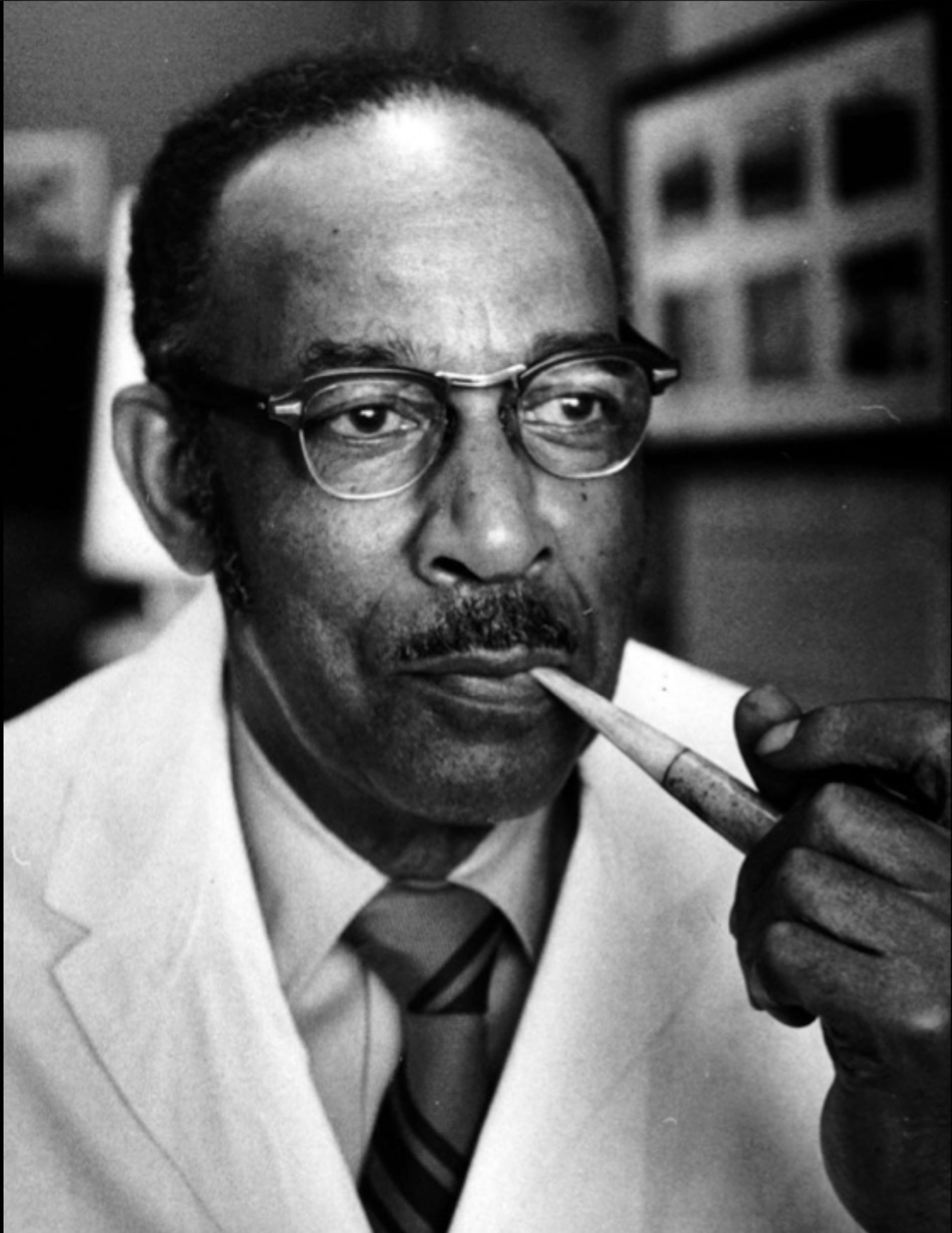
Vivien Theodore Thomas was born in 1910, into a world that had already made up its mind about him. He was brilliant early, disciplined early, and serious early. He graduated from high school with honors and planned to become a doctor. He worked skilled jobs, saved his money with a frugality born of ambition, and aimed himself upward in precisely the way America claims to admire.
Then, in 1929, the stock market collapsed. It erased his savings overnight. Talent survived. Opportunity did not.
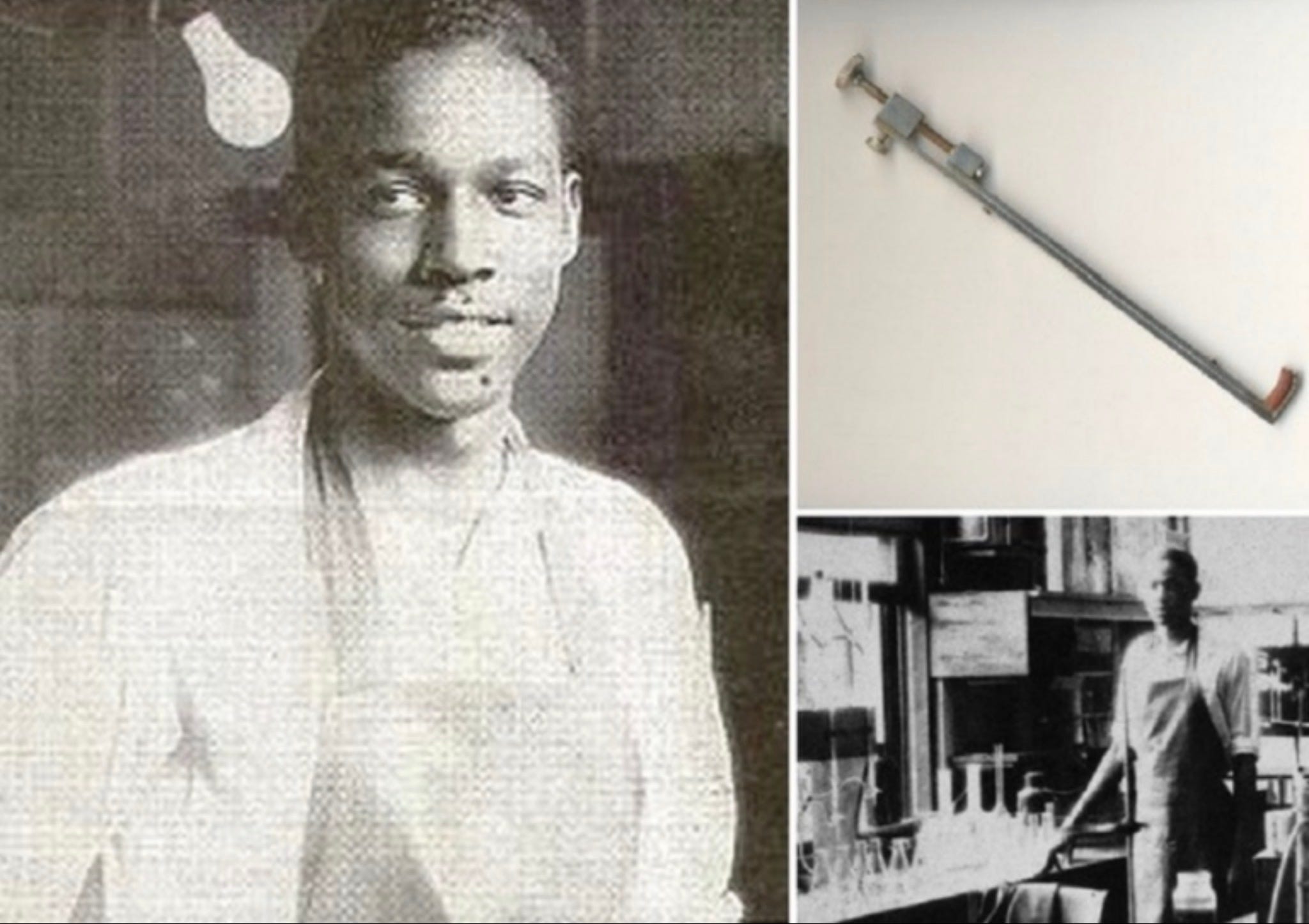
In 1930, Thomas took a position as a laboratory assistant for a young, ambitious surgeon named Alfred Blalock at Vanderbilt University. The pay was twelve dollars a week. The official job description was menial: clean equipment, assist with animals, maintain the lab. Officially, Vivien Thomas was a laboratory technician paid on a scale comparable to custodial staff. Unofficially, he began to do something far more dangerous to the American story. He demonstrated brilliance without credentials.
Blalock noticed almost immediately. Thomas possessed an intuitive grasp of anatomy, hands steady beyond explanation, and an ability to reproduce complex surgical procedures after observing them only once. He did not merely follow instructions. He improved them. He did not simply assist with experiments. He helped design them. He was, in short, a natural.
Their relationship was forged in a crucible of profanity and respect. Early on, Thomas made an error. Blalock erupted. Thomas stood his ground and told him he would not tolerate such language. Blalock apologized. Inside the lab, they operated as partners. Outside it, the old codes prevailed. Thomas attended Blalock’s parties not as a colleague, but as a bartender to supplement his income.
Together, they clarified the physiology of traumatic shock, demonstrating that it resulted from blood and fluid loss rather than a circulating toxin. The work saved lives during the Second World War. When the research was published, Blalock’s name carried the credit. Thomas remained officially invisible.
In 1941, Blalock became Chief of Surgery at Johns Hopkins. He insisted Thomas come with him. Hopkins accepted. It wanted the results, not the implications.
At Johns Hopkins, prestige did not translate into dignity. Thomas was still classified as a technician and paid accordingly. He could not eat in the whites-only cafeteria. He could not use the doctors’ restrooms. He could not be listed as an author on the papers he made possible. He was indispensable and, at the same time, unacceptable.
Then came the children. Blue babies. Infants born with Tetralogy of Fallot, a defect that starved their blood of oxygen. Pediatric cardiologist Helen Taussig asked whether surgery could help. Blalock turned to the man who found the answers.
For many months, Vivien Thomas conducted painstaking surgical experiments on dogs, developing a technique to reroute blood flow to the lungs. He refined the method, adapted instruments for the delicate work, and established a reproducible procedure. He then taught Alfred Blalock how to perform it.
On November 29, 1944, a fifteen-month-old girl named Eileen Saxon lay dying on an operating table. Alfred Blalock stood at the patient. Behind him, on a step stool, directing each movement, stood Vivien Thomas. Blalock had not independently performed the full procedure on a human before this day. When the operation was over, Eileen’s color improved. Modern pediatric heart surgery was born.
The world celebrated a miracle. The procedure became known as the Blalock Taussig shunt. Surgeons traveled from around the globe to learn it. Vivien Thomas trained them. Many of those men went on to become leaders in surgery. Thomas remained a technician.
This is the point where one is expected to pivot to inspiration. Let us not. Let us sit with the truth.
The system knew. Thomas was relied upon, deferred to, and respected inside the operating theater. His exclusion was not an accident. To recognize him fully would have exposed how fragile the hierarchy of prestige really was.
Johns Hopkins would see a similar moral pattern in 1951, when Henrietta Lacks’s cells were taken without consent and became foundational to modern biomedical research. Earlier still, J. Marion Sims perfected techniques on enslaved Black women without anesthesia. And for forty years, the Tuskegee Study withheld treatment from Black men with syphilis.
So when recognition for Vivien Thomas finally came, it came late. In the early 1970s, former trainees pushed for his portrait to hang at Johns Hopkins. In 1976, the university awarded him an honorary Doctor of Laws. He was sixty-six years old.
He died in 1985. Only after his death did his autobiography and popular retellings reach wide audiences.
Posthumous honors are not justice. They are confessions.
Recognition that arrives after usefulness has been extracted and dignity denied is not honor. It is accounting.
Vivien Thomas did not need mythology. He needed authorship, pay, and the right to walk through the front door.
We do not honor people by remembering them beautifully after we have broken them quietly. We honor them by confronting the systems that did the breaking.
If that makes institutions uncomfortable, that discomfort is the point.
Black History Month is not only a time to celebrate achievement. It is a time to tell the truth about the conditions under which those achievements occurred. The life of Vivien Thomas reminds us that recognition delayed is not recognition at all, and that history’s ledger still carries unpaid debts.